
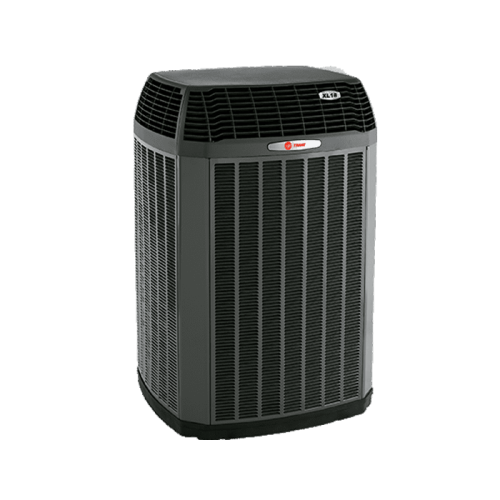

Which Heating System Saves More Money in 2026?
With rising natural gas costs, heat pumps are trending for:
Lower monthly utility bills
Reduced HVAC operating costs
Government rebates & green home incentives
Compatibility with solar energy systems
Furnaces still make sense when:
The home is in a very cold climate zone
Gas prices are temporarily stable
Upfront cost matters more than long-term savings
But the smartest long-term trend?
Dual-Fuel / Hybrid Heating System heat pump for mild winter days + furnace for extreme cold.
Do Heat Pumps Work in Freezing Canadian Winters?
Yes, but only if it’s a Cold-Climate Heat Pump.
Modern cold-weather heat pumps can operate efficiently even at -20°C to -30°C, depending on the model. Many 2026 HVAC buyers prefer:
Variable-speed compressor heat pumps
Ducted heat pump systems
Inverter-based heat pumps
Backup heating via dual-fuel furnace integration
If your region experiences polar vortex conditions, a hybrid system is the safest investment.
Environmental Benefits: Why Heat Pumps Are Trending
Heat pumps win for sustainability because they:
 Produce zero carbon monoxide
- Use no combustion
 Reduce greenhouse gas emissions
- Improve indoor air quality
- Support net-zero home heating goals
- Pair well with renewable energy sources
Furnaces, even high-efficiency models, still burn fuel meaning emissions remain a concern.
HVAC Maintenance & Reliability
To keep either system running smoothly, homeowners should schedule:
Heat Pump Maintenance
Seasonal inspection
Refrigerant pressure check
Coil cleaning
Defrost cycle monitoring
Air filter replacement
Electrical connection inspection
Furnace Maintenance
Burner cleaning
Heat exchanger check
Gas pressure calibration
Blower motor inspection
Thermostat optimization
Carbon emission safety testing
Routine HVAC maintenance extends lifespan, reduces breakdown risk, and maintains efficiency.
Best Heating Choice by Home Type
| Home Condition | Recommended System |
|---|---|
| Small to medium home | Air-Source or Mini-Split Heat Pump |
| Large home | High-Efficiency Furnace OR Ducted Heat Pump |
| Very cold region | Gas Furnace + Backup OR Hybrid System |
| Wants cooling + heating | Heat Pump Only OR Hybrid |
| Eco-friendly priority | Heat Pump System |
| Lowest upfront cost | Furnace System |
| Maximum savings + reliability | Hybrid Dual-Fuel System |
Future-Proof Your Home Heating
The 2026 HVAC trend clearly favors:
Energy-efficient heating systems
Low-carbon HVAC technology
Cold-climate heat pumps
Smart thermostats & home automation HVAC
Dual-fuel hybrid heating systems
24/7 HVAC support and maintenance plans
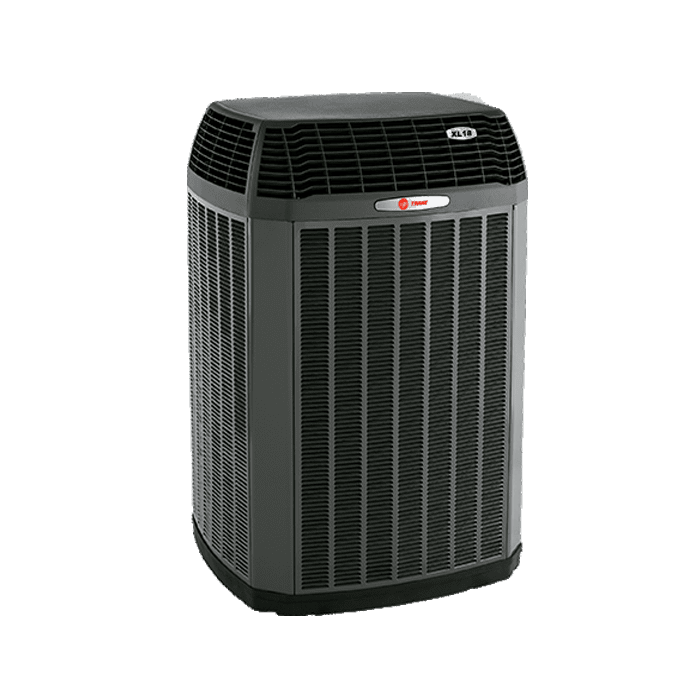
At JP Home Comfort, we help Canadian homeowners install and maintain heating systems that balance cost, performance, and sustainability. Visit

One Response
Hi, this is a comment.
To get started with moderating, editing, and deleting comments, please visit the Comments screen in the dashboard.
Commenter avatars come from Gravatar.